Choosing a dedicated server 10Gbps plan requires more than comparing network speeds. The right server must also provide enough processing power, memory, and storage to handle your workload efficiently.
If you’re planning to host a high-traffic streaming platform, CDN node, or large file distribution service, here’s what to consider before buying a 10Gbps dedicated server.
Key Takeaways
- A 10Gbps dedicated server is best suited to applications with high bandwidth demands and substantial peak traffic.
- Unmetered bandwidth and 10Gbps port speed are different specifications.
- CPU, RAM, storage performance, and server location are just as important as network capacity.
- Compare the complete hosting cost, not just the advertised port speed.
Do You Really Need a 10Gbps Dedicated Server?
A 10Gbps dedicated server provides a physical server connected through a network port rated for up to 10 gigabits per second.
For ordinary business websites, a 1Gbps connection is often sufficient. However, a 10Gbps connection becomes valuable when your application needs significantly greater network throughput.
Common use cases include:
- Video streaming: Delivering live broadcasts, IPTV, and video-on-demand content to large audiences.
- CDN and file distribution: Serving large downloads, software updates, and frequently accessed files.
- Backup infrastructure: Transferring substantial datasets between servers or data centers.
- High-traffic applications: Supporting workloads that regularly approach the limits of a 1Gbps connection.
If streaming is your primary workload, our streaming server guide explains how bandwidth and hardware requirements affect performance.
5 Factors to Consider When Choosing a 10Gbps Dedicated Server
1. Network Speed and Bandwidth
A 10Gbps network port offers a theoretical transfer rate of up to 1.25 GB/s before protocol overhead.
However, actual throughput depends on network conditions, server performance, and application efficiency.
Check whether your provider offers a dedicated 10Gbps port and whether the advertised speed is subject to additional restrictions.
2. Unmetered vs. Metered Traffic
A 10Gbps port does not automatically include unlimited monthly data transfer.
Some providers offer fixed traffic allowances, while others provide unmetered bandwidth.
With 10Gbps unmetered dedicated servers, traffic is not billed against a fixed monthly transfer quota, although network capacity and service policies still apply.
For continuously operating, bandwidth-intensive applications, unmetered plans can make monthly costs more predictable.
3. CPU, RAM, and Storage
A fast network connection won’t compensate for insufficient hardware resources.
Consider your application’s requirements:
- CPU: More processing capacity for concurrent requests, encryption, and demanding applications.
- RAM: Sufficient memory for caching, databases, and active workloads.
- Storage: SSD or NVMe storage with the capacity and performance your application requires.
For example, large file-serving applications may benefit from faster storage, while video transcoding requires substantial CPU resources.
Choose hardware based on actual workload requirements rather than network speed alone.
4. Server Location and Network Quality
Server location affects latency and connectivity to your target audience.
If most of your customers are in Europe, a European data center may be a practical choice.
Also consider network routing, DDoS protection, infrastructure reliability, and technical support.
A 10Gbps port is valuable only when the supporting infrastructure can deliver reliable connectivity.
5. Monthly Cost and Included Features
When comparing providers, check the complete monthly price and what it includes.
Look for:
- Dedicated 10Gbps connectivity
- Monthly traffic allowance or unmetered bandwidth
- DDoS protection
- Root or administrative access
- Technical support and uptime commitments
- Additional setup or hardware charges
The cheapest configuration isn’t necessarily the most cost-effective if it lacks the resources your application requires.
How Much Does a Dedicated Server 10Gbps Cost?
Pricing depends on processor configuration, memory, storage, network allocation, and location.
ZYNOO currently lists 10Gbps dedicated servers starting at $699/month, with unmetered bandwidth and hosting in Bulgaria, Europe.
Here’s a quick comparison of the available configurations:
All configurations include 10Gbps of unmetered bandwidth and are hosted in Bulgaria, Europe.
| CPU | RAM | Storage | Monthly Price |
|---|---|---|---|
| 2× Xeon E5-2630 v4 (20 Cores / 40 Threads) | 64 GB | 1 TB SSD | $699 |
| 2× Xeon E5-2630 v4 (20 Cores / 40 Threads) | 128 GB | 2 TB SSD | $739 |
| 2× Xeon E5-2680 v4 (28 Cores / 56 Threads) | 256 GB | 4 TB SSD | $839 |
| 2× Xeon Gold 6138 (40 Cores / 80 Threads) | 256 GB | 1 TB SSD | $879 |
All four plans include a dedicated 10Gbps uplink and unmetered traffic. Processor configurations differ, so compare CPU specifications alongside memory and storage before ordering.
We also provide DDoS protection, full root access, and 24/7 technical support for our 10Gbps servers.
Before You Move to a 10Gbps Server
Check your current bandwidth utilization, identify performance bottlenecks, and confirm that your new server can support your applications.
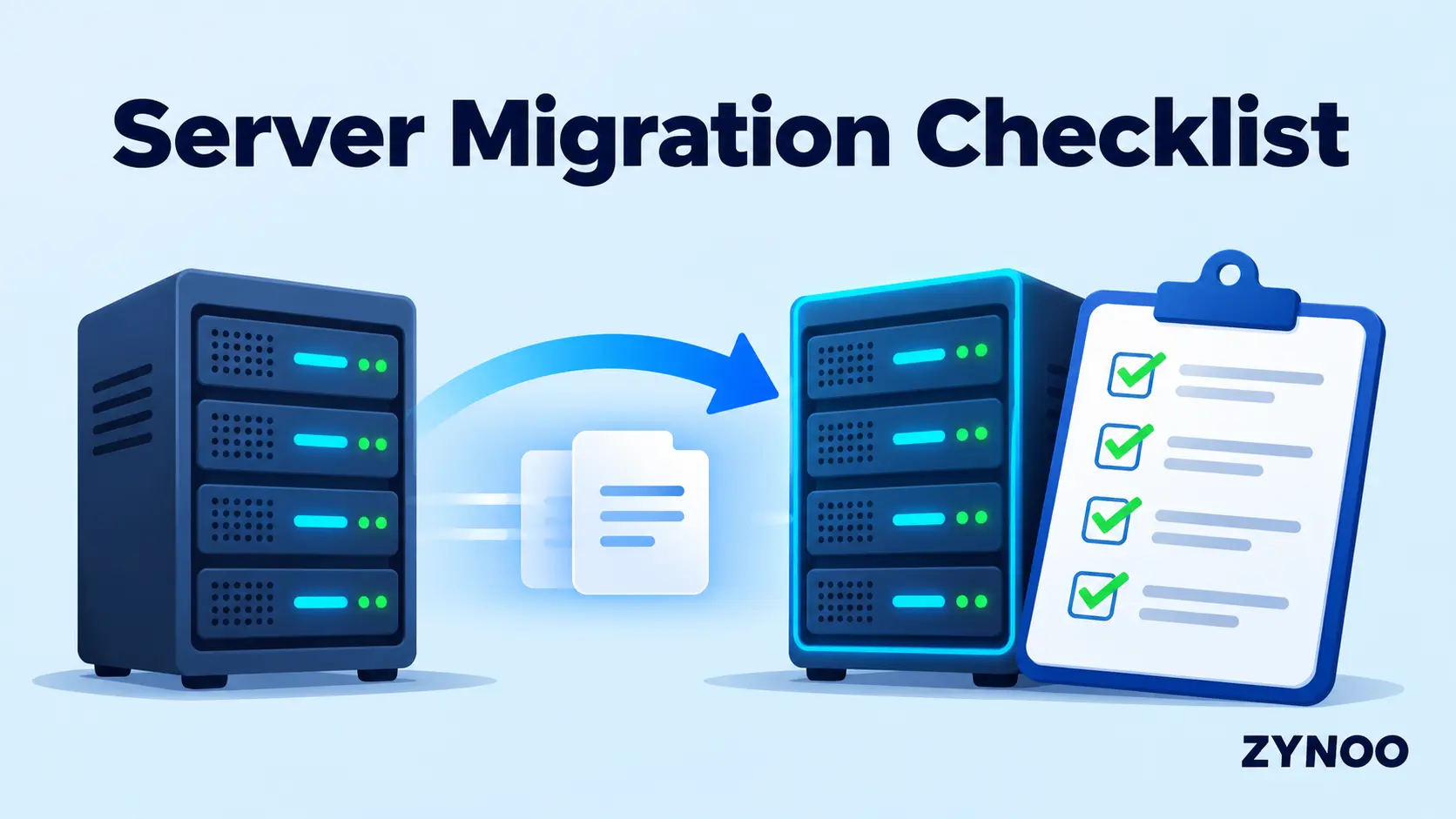
If you’re migrating from another provider, follow our Server Migration Checklist to plan backups, data transfers, testing, and DNS changes.
Final Thoughts
The best 10Gbps dedicated server is one that matches your traffic requirements, processing needs, and budget.
If your application regularly handles high-volume traffic, a dedicated 10Gbps connection with appropriate hardware can provide valuable capacity for future growth.
Compare ZYNOO’s available configurations to find the right balance of bandwidth, performance, and cost.